That First Glance at a Rental Desk
I'll never forget my first experience renting a wheelchair-accessible vehicle in Orlando, Florida, summer 2022. I had just disembarked from a Delta flight from Atlanta, my Pride Mobility Jazzy Air scooter folded in its travel case, Roux, my service dog, patiently by my side.
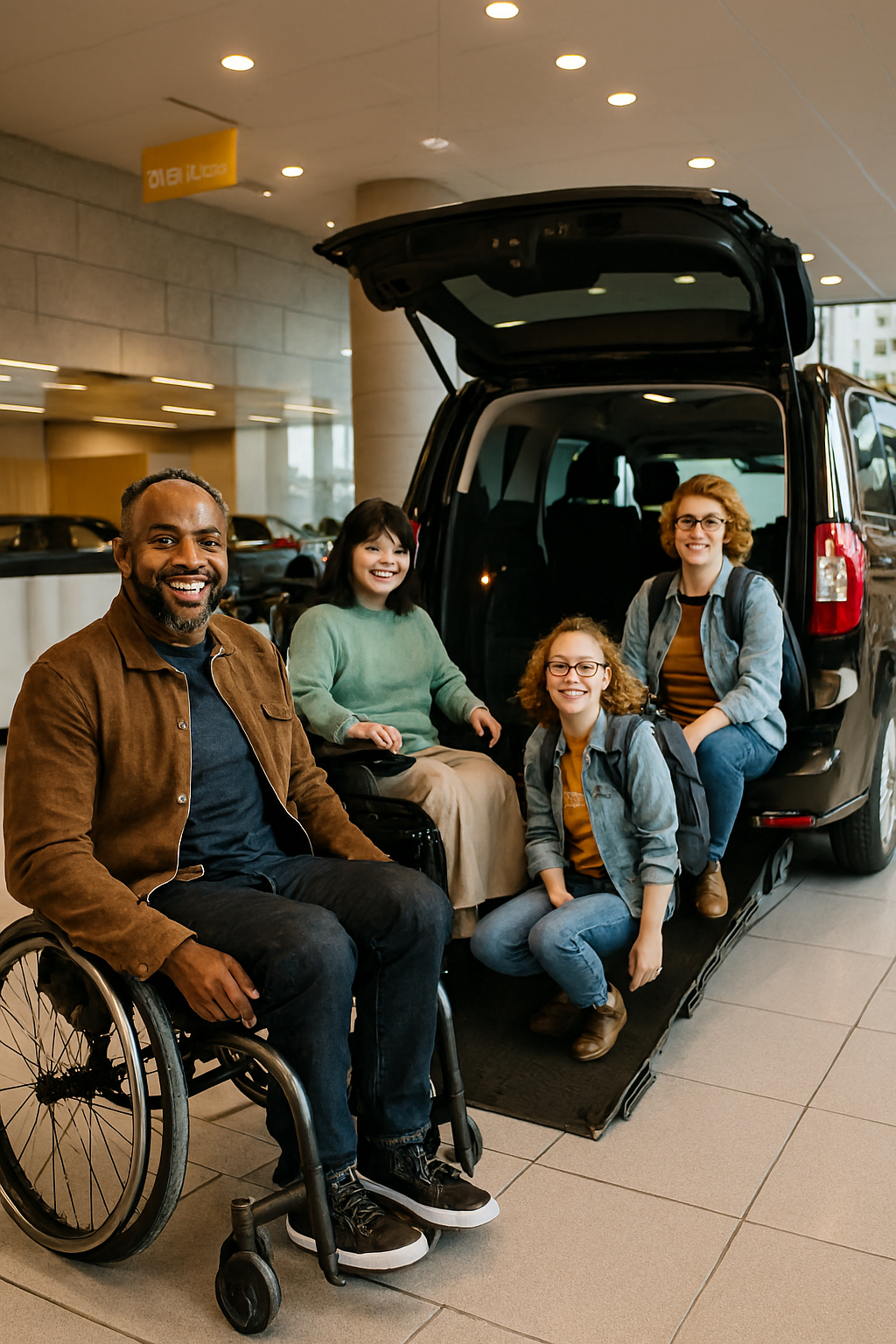 Wheelchair Accessible Car Rentals
The rental desk was buzzing. Families with strollers, solo travelers with duffel bags, and the occasional businessperson in a hurry circled the counters. My heart raced—not out of fear, but from anticipation. The vehicle I had reserved, a Toyota Sienna modified with a BraunAbility side-entry ramp, was waiting. It wasn't just a minivan—it was a key to independence on my vacation.
Yet, as I approached, I realized that the real journey was not just behind the wheel, but in navigating reservations, modifications, accessibility standards, and airport logistics.
Why Accessible Car Rentals Are a Game Changer
For travelers with mobility needs, transportation is freedom. Public transport, rideshare apps, and taxis may work in major cities, but once you're exploring beaches, theme parks, or remote state parks, having a wheelchair-accessible rental vehicle becomes essential.
Accessibility is not one-size-fits-all. Some vehicles allow side-entry with seated transfers, others provide rear-entry with lift systems, and still others may accommodate power chairs in full without folding. Each option comes with its own set of logistical challenges and advantages (ADA.gov: Accessible Vehicles).
Pre-Trip Preparation: Questions You Must Ask
I've learned that booking early, asking detailed questions, and confirming measurements saves countless headaches. For example:
- Vehicle Type: Side-entry van? Rear-entry SUV? Lift-equipped or lowered floor?
- Ramp Dimensions: Will my scooter or power chair fit? The BraunAbility ramp on my rental measured 1.1 meters wide—just enough for my Jazzy Air.
- Door Clearance: Minimum 32 inches recommended for side-entry vehicles. My van's doors offered 34 inches, allowing smooth entry and exit without scraping my scooter.
- Transfer Aids: Does the rental provide swivel seats, handrails, or hoists? I always request a seat transfer cushion when renting vehicles without swivel seating.
- Insurance & Liability: Ensure the rental company recognizes wheelchair modifications; some policies require added coverage for aftermarket lift systems.
I keep a checklist of questions and send them via email, requesting photos of the exact vehicle to be provided. Written confirmation prevents last-minute surprises.
Airports, Parking, and Vehicle Pickup
Traveling with mobility gear adds layers to the logistics puzzle:
- Airport Assistance: Request wheelchair assistance from the gate to baggage claim, and verify whether the rental company offers curbside pickup for accessible vehicles. At Orlando, the company had a designated accessible vehicle lot, complete with a 16-foot clearance for lifts, which made loading my scooter seamless.
- Parking: Look for ADA-compliant parking spots—wide, near entrances, and with drop-off space. One small oversight in Denver led to a tight squeeze between two SUVs, forcing me to unfold my ramp at an angle that had my arms trembling. Lesson learned: always measure parking width before arrival.
- Loading Gear: If your wheelchair is motorized, check battery transport rules (DOT Guidance on Lithium Batteries) and ensure the vehicle's cargo space can accommodate it fully.
On the Road: Tips for Smooth Travel
Once I had my van, the real fun began. Florida highways, with their confusing toll plazas and fast-moving traffic, presented new challenges:
- Ramp Operation: Test the ramp before leaving the lot. My first try in Orlando, the automatic BraunAbility ramp refused to deploy fully because of a slight incline. A staffer showed me the manual override, which became a lifesaver on later trips to Key Largo.
- Interior Space: Make sure your wheelchair or scooter can pivot safely inside the van. I mark the floor with masking tape to visualize turning radius when renting unfamiliar vehicles.
- Tie-Downs & Safety: Always check straps, clamps, and anchor points. On a recent trip to the Everglades, one loose strap caused my scooter to slide slightly in the rear-entry van, a reminder that secure fastenings are non-negotiable.
Case Study: Navigating Miami and the Keys
In March 2023, I rented a Chrysler Pacifica wheelchair-accessible minivan for a week-long Florida Keys adventure. Here's what worked:
- Vehicle: Side-entry lift with automatic door operation.
- Measurements: Ramp width 1.2 meters, interior floor clearance 1.05 meters.
- Transfers: Manual swivel seat installed for driver's side; allowed me to drive independently after one session with the rental company technician.
- Challenges: Narrow streets in Key West required careful navigation, but the ramp and lift systems allowed me to park and enter attractions independently.
Traveler quote: "I never realized how much freedom a proper van could give until I drove through the Keys in March. No waiting for taxis, no cramming into ride-shares—it was just us, the scooter, and the sunset."
Choosing the Right Mobility Accessories
Traveling with adaptive gear transforms a rental vehicle into a truly usable mobility solution:
- Portable Wheelchair Ramps: Helpful for curbs, hotel entrances, or spontaneous stops.
- Transfer Cushions and Handles: Especially useful in vehicles without swivel seats.
- Battery Packs & Chargers: Always carry spares for motorized chairs or scooters; airports rarely allow charging on-site.
- Service Dog Gear: Harnesses and portable water bowls keep your companion comfortable during long drives.
I remember one afternoon on I-95 when a minor traffic jam turned into a two-hour detour. Roux's calm presence, water, and a well-packed emergency kit kept both of us sane—a reminder that accessible travel is as much about preparation as infrastructure.
Common Pitfalls in Accessible Rentals
- Booking Too Late: Popular accessible vehicles, especially at vacation hotspots, can sell out months in advance.
- Assuming Modifications Are Standard: Not all vehicles labeled "accessible" meet your specific needs. Confirm ramp width, interior clearance, and lift capacity.
- Ignoring Seasonal Factors: Hot summer months can cause battery-powered scooters to overheat; ensure your vehicle has shade and ventilation options.
- Insurance Oversights: Some rental companies exclude liability for lift modifications or wheelchair damage unless explicitly covered.
Mini Case Study: Las Vegas
During a 2021 trip to Las Vegas, I booked a rear-entry van for my sister and me.
- Challenge: Elevator lift malfunctioned on arrival.
- Solution: Staff quickly swapped vehicles, but not without a 15-minute scramble. Lesson: always have contact numbers for multiple rental locations, and carry your reservation confirmation and vehicle specs.
- Win: Once we were on the road, parking near casinos with ramps and shuttle service made the trip effortless—emphasizing that on-the-ground staff training matters as much as vehicle specs.
Beyond the Vehicle: Integrating Rentals into Your Trip
Accessible car rentals are only part of the journey. Consider the following:
- Hotel Transfers: Ensure curbside or underground parking can accommodate ramps and lifts.
- Attractions & National Parks: Check online for accessible parking, paths, and shuttle services. Many parks, including Everglades National Park, provide wheelchair-friendly boardwalks and trails.
- Fuel & Charging Stops: Electric mobility devices require careful planning; always verify charging options at hotels or attractions.
Reflecting on the Journey
Wheelchair-accessible car rentals are more than a convenience—they're a pathway to independence, exploration, and confidence. Each rental teaches lessons in preparation, measurement, and human patience.
I often reflect on my first trip to the Keys: the initial anxiety of folding my scooter, navigating airport pick-up, and mastering the ramp gave way to pure joy. Sitting behind the wheel of an accessible minivan, I realized that travel isn't just about destinations—it's about ownership of your mobility and experience.
Practical Checklist for Travelers
- Confirm vehicle type, ramp width, and lift capacity in writing.
- Check parking and curb accessibility at pickup locations.
- Pack all wheelchair travel accessories, including spare batteries, transfer cushions, and portable ramps.
- Verify insurance coverage for modifications and mobility devices.
- Keep emergency contacts for rental locations and mobility device suppliers.
- Plan for seasonal challenges, like battery overheating or staff shortages.
- Ask for photos of the exact vehicle to be rented.
- Communicate arrival times and special needs with rental company staff.
Final Thoughts
Accessible car rentals are a crucial piece of the mobility puzzle, but they require thoughtful planning, attention to detail, and clear communication. Done well, they transform travel from a logistical headache into a liberating, joyful experience.
Whether it's rolling along Florida highways, navigating Vegas streets, or exploring the Everglades, a wheelchair-accessible vehicle is more than transport—it's freedom on four wheels, with the added satisfaction of mastering a complex system of ramps, lifts, and staff coordination.
About Harper Shore
Harper Shore has traveled extensively in wheelchair-accessible vehicles, testing vans, SUVs, and scooters across urban, rural, and beach destinations. Her guides blend practical accessibility tips with narrative storytelling, giving readers a trustworthy resource for confident, independent travel.