It was my first trip to Paris as a wheelchair user—spring of 2021—and I remember the moment vividly. I had just wheeled off an Air France flight from Atlanta in my manual chair (60 cm wide, reinforced tires for European streets) and was navigating the taxi queue at Charles de Gaulle Airport. My GPS was on, my transfer board in the backpack, and my anxiety—let's be honest—was palpable.
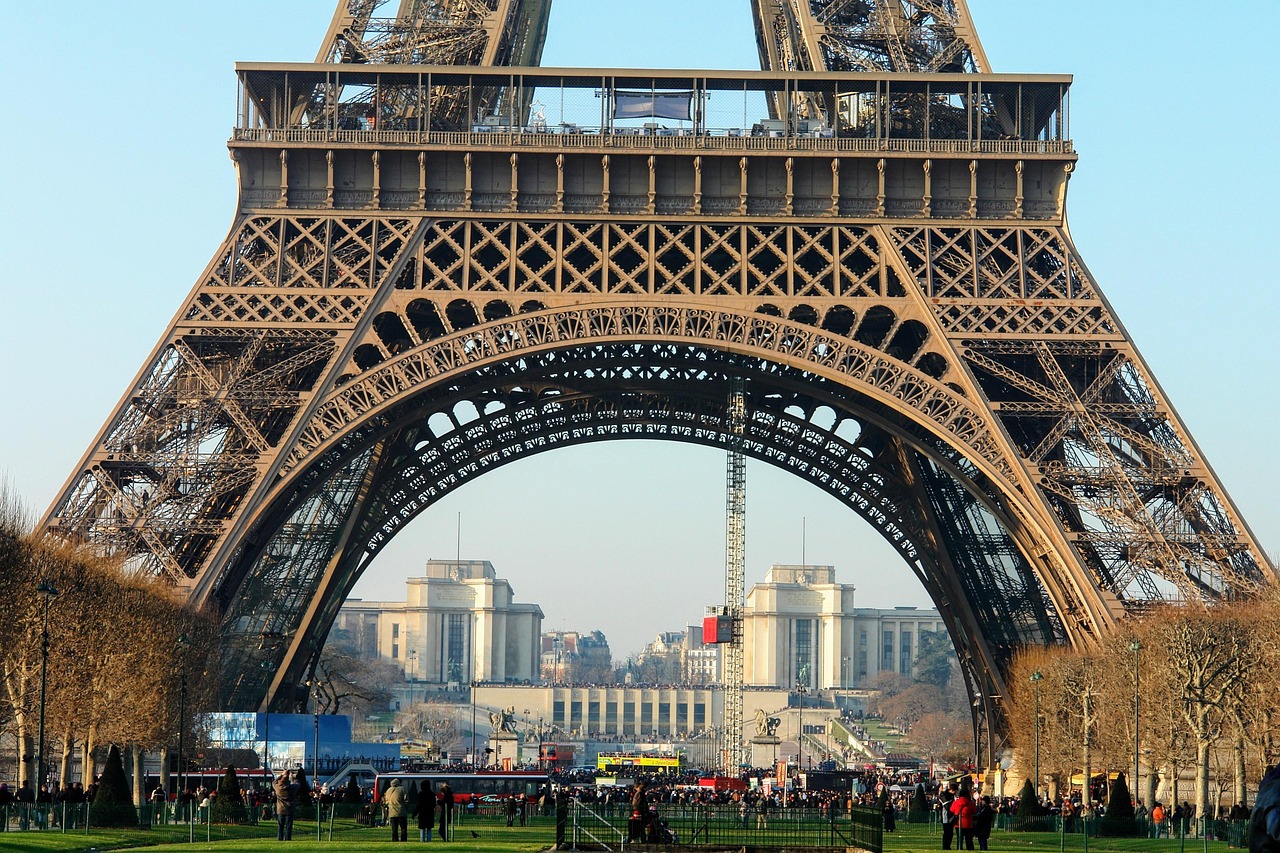 Mercure Paris Centre Tour Eiffel
Arrival in the City of Light: A Personal Story
I had booked Hôtel Le Meurice, a historic property with a reputation for accessibility. As I approached the grand entrance, I braced for cobblestones, steps, and heavy doors. To my delight, the automatic front doors, curb-level access, and wide elevator waiting inside were seamless. My room, 412, offered a 1.6 m turning diameter, a roll-in shower with foldable seat, and grab bars that actually aligned with my chair transfers.
It was in that moment I realized: accessibility isn't just ramps and grab bars—it's a choreography of details that allow independence.
This guide reflects years of experience testing hotels across Paris, from boutique gems in Le Marais to luxury icons near the Champs-Élysées. I'll walk you through practical tips, personal experiences, and hotel case studies that transform "accessible travel tips" into a living, usable guide.
Accessibility in Paris: Context and Challenges
Paris is a city of layers: medieval streets, Haussmann-era boulevards, and modern hotels. Accessibility can vary wildly depending on neighborhood and building age. The city has made great strides under French accessibility regulations (Loi n° 2005-102), but historic buildings often pose unique challenges:
- Narrow corridors and doorways: Many boutique hotels retain original dimensions—doorways as narrow as 0.82 m.
- Cobblestone streets: Vibrations and small obstacles can make transfers difficult.
- Elevators and thresholds: Older buildings may require temporary ramps or elevator adaptation.
Understanding these quirks is crucial. For wheelchair travelers, accessibility is not binary—it's a spectrum ranging from functional (staff-assisted) to fully independent.
Practical Tips Before Booking
Call and Confirm, Don't Assume
Hotel websites are often optimistic. During my 2022 stay at a small boutique hotel in Saint-Germain, the website claimed "accessible rooms with roll-in showers." Upon arrival, only one room on the third floor was truly wheelchair-friendly. Measuring the doorway and bathroom before booking saved hours of frustration.
Ask for Measurements
My manual chair is 60 cm wide, my power chair is 65 cm. Always give your dimensions to the hotel. Doorways narrower than 0.9 m or a 1.4 m turning radius can make transfers tricky.
Seasonality Matters
Pool lifts, beach mats, or roll-in showers in resorts are sometimes seasonal. Confirm the services are operational during your travel dates.
Prepare Your Gear
Transfer board, portable cushion, rain cover, tire pump, and lightweight backpack with medication organizer are essentials. Small items often make the biggest difference.
Case Studies: Hotels That Excel
1. Hôtel Le Meurice, 1st Arrondissement
- Room: 412, 1.6 m turning diameter, roll-in shower with adjustable-height seat.
- Public Areas: Elevator 1.8 m wide, lobby with automatic doors, ramped entry from street.
- Extras: Concierge familiar with wheelchair travel accessories, breakfast tables at adjustable height.
Why it works: It's not just about accessible rooms—it's about coherent design and proactive staff. Staff anticipate needs, like providing a shower chair without asking.
Traveler note: "The difference between independence and assisted travel is subtle but life-changing." — L., Paris
2. Pullman Paris Tour Eiffel, 15th Arrondissement
- Room: 720, roll-in shower, grab bars strategically positioned, turning radius 1.7 m.
- Challenges: Located near busy streets; hotel provides a smooth curb-to-entrance path.
- Extras: Elevator access to all floors, accessible restaurant seating, pool lift.
Anecdote: During my 2020 stay, I accidentally rolled my chair over a small threshold. Staff brought a portable ramp immediately—small gestures like these prevent frustration.
3. Hôtel Brighton, 8th Arrondissement
- Rooms: 305, roll-in showers, height-adjustable beds, alarm cords within reach.
- Public Areas: Lobby threshold minimized, elevator width 1.5 m.
- Dining: Adjustable tables, staff trained in wheelchair etiquette.
Observation: Even boutique hotels can be fully accessible if staff are trained and spaces are thoughtfully laid out.
4. Novotel Paris Les Halles, 1st Arrondissement
- Rooms: 510, larger than average for Paris hotels, roll-in shower, wide doorways.
- Extras: Easy access to metro, curb-level drop-off, seasonal pool lift.
- Practical Notes: Hotel staff provided a diagram of accessible routes from airport transfer to room.
Traveler tip: Maps and photos of accessible paths can save hours of trial and error.
5. Le Bristol, 8th Arrondissement
- Rooms: 711, fully wheelchair-friendly, ceiling hoist in shower upon request.
- Public Areas: Ramp to spa, pool, and lobby; elevators 1.6 m wide.
- Extras: Concierge familiar with local wheelchair travel accessories, including foldable beach chairs for day trips to Normandy or Deauville.
Lesson: Luxury hotels often offer full-service accessibility with adaptive gear—but confirmation is essential.
Room Selection and Measurements
For wheelchair maneuverability:
- Doorways: Minimum 0.9 m, ideally 1 m for two-way traffic.
- Turning radius: 1.5 m manual, 1.8 m power chair.
- Shower: Roll-in, seat height 45–50 cm, grab bars at strategic positions.
- Bed: Height ~50 cm, floor clearance sufficient for transfer.
Even a few centimeters difference can make transfers unsafe or exhausting, especially after a day of sightseeing.
Dining, Pools, and Common Areas
Hotels often focus on rooms but public areas matter:
- Restaurants: Adjustable-height tables or sufficient space to maneuver.
- Pools and Spas: Hoists, ramps, or amphibious chairs.
- Lobby and Elevators: Minimum corridor width 1 m, minimal thresholds, elevator button heights 1.2 m.
Tip: Request photos or virtual tours to confirm public spaces are truly usable.
Real Traveler Story — "The Eiffel View Balcony"
During a 2021 stay at Pullman Paris Tour Eiffel, my room had a 5 cm threshold to the balcony. My initial thought? "Ugh, this is going to be tricky." Staff provided a portable ramp in seconds, and I was soon wheeling out to a sunset view of the Eiffel Tower. Small interventions like this turn a potential frustration into a highlight.
Booking Tips and Scripts
Here's my go-to email template:
Hello, I am booking [dates]. I need to confirm accessibility features:
- Accessible parking/drop-off within 50 m.
- Room layout: door width, turning radius, bed height.
- Roll-in shower or ceiling hoist, grab bars positioned for independent transfer.
- Public areas: lobby, restaurant, pool, elevator access.
- Photos or virtual tour if available.
Numbers and images are critical—"accessible" alone isn't enough.
Common Pitfalls
- Historic Buildings: Narrow doors, thresholds, and cobblestones. Temporary ramps or staff assistance may be needed.
- Seasonal Assistance: Pool lifts and beach mats may not be available year-round.
- Standards Variation: EN 17210 vs ADA; verification is necessary.
- Hidden Barriers: Bathroom and balcony thresholds can be overlooked.
Favorite Paris Districts for Accessibility
- 1st Arrondissement (Louvre / Les Halles): Wide modern hotels, metro connections.
- 8th Arrondissement (Champs-Élysées / Le Bristol): Luxury, fully accessible, concierge services.
- 15th Arrondissement (Eiffel Tower): Modern hotels, smooth drop-off paths, pool lifts.
- Le Marais: Boutique charm, some accessibility, verify before booking.
- Saint-Germain-des-Prés: Smaller hotels, staff assistance often needed.
Wheelchair Travel Accessories and Packing
- Portable cushion: Prevents pressure sores.
- Transfer board: Roll-in shower and small thresholds.
- Rain cover: Paris weather is unpredictable.
- Lightweight backpack: Medications, documents, snacks.
- Foldable chair: For narrow hotel corridors or outdoor cafes.
- Tool kit and tire pump: Flats happen anywhere.
Reflection: Paris Through a Wheelchair Lens
Accessibility is not just infrastructure—it's about independence, dignity, and enjoyment. From staff who anticipate your needs to thoughtful room design, Parisian hotels can be more than just "accessible"—they can be empowering.
Humor, patience, and preparation are vital. I've cursed at thresholds, laughed at automatic doors that won't cooperate, and rejoiced at a ceiling hoist arriving on cue. Travel, even with mobility challenges, is messy, beautiful, and infinitely rewarding.
Accessible hotels in Paris exist—they're just hidden behind polished marketing and historic facades. Armed with measurements, questions, and clear communication, a traveler can enjoy the City of Light with confidence.
About Harper Shore
Harper Shore is an accessible travel journalist and advocate who has explored Europe and beyond using a wheelchair. She combines storytelling, practical insights, and humor to guide travelers with mobility needs through real-world travel challenges, uncovering hotels and services that transform accessibility into independence.