I still remember my first solo trip to Europe as a wheelchair user: April 2019, rain-slicked cobblestones in Lisbon, Portugal, and my heart pounding at the thought of navigating historic streets and hotels not designed with mobility in mind. I had spent weeks researching, calling hotels, and measuring every wheelchair-friendly option I could find. My manual chair—60 cm wide, with a sturdy 1.2 m frame—was ready, my transfer board packed, and my patience tested.
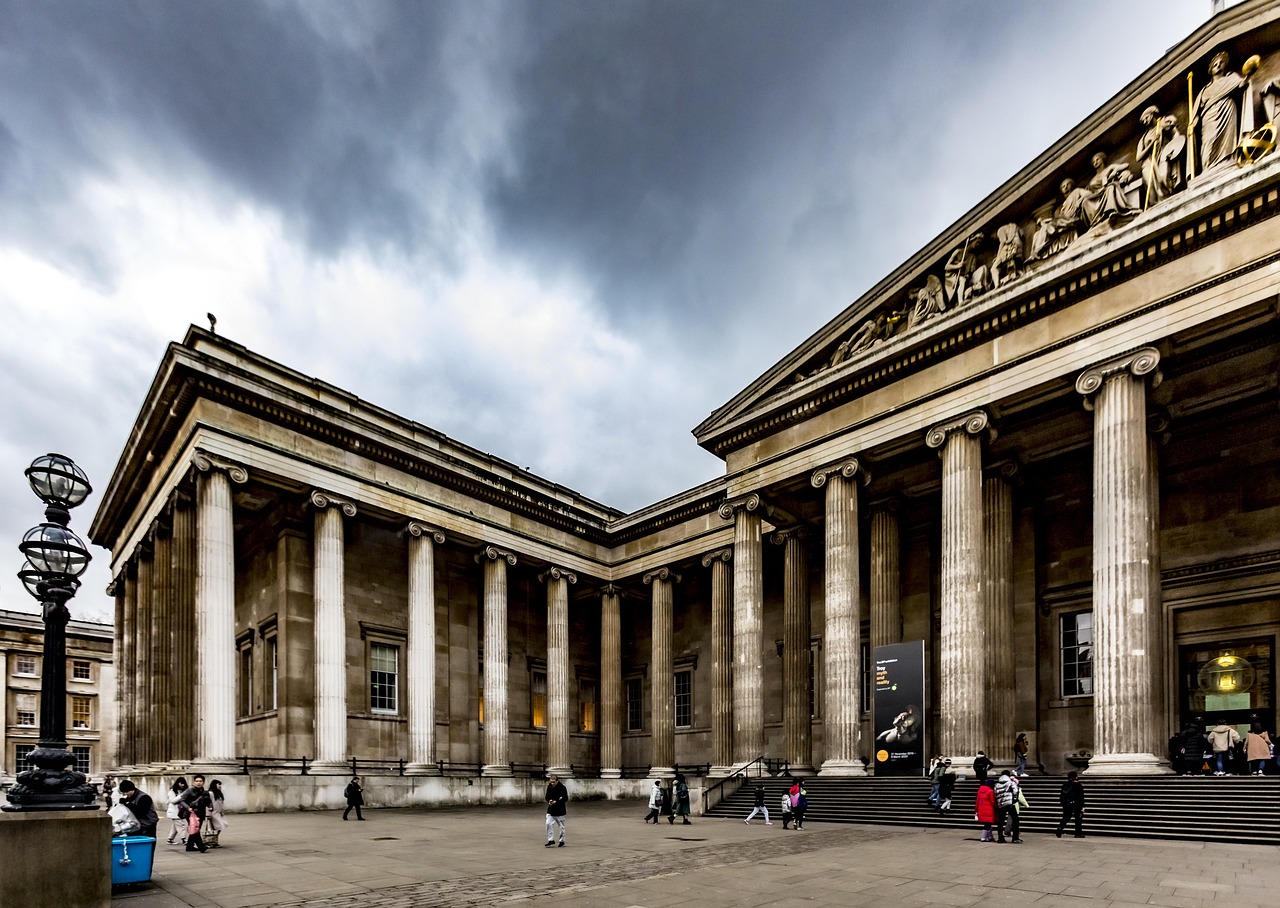 British Museum London
A Story of Arrival: My First Accessible European Stay
That first night, I wheeled into the Altis Avenida Hotel in Lisbon, room 203, and for the first time in years felt that rare combination of relief and joy. The room had enough space to turn comfortably (diameter 1.5 m minimum), grab bars in the bathroom were strategically placed, and the shower was roll-in with a seat that didn't wobble. No awkward maneuvering, no scraping against walls. I realized then that "accessible" isn't just a label—it's a carefully choreographed experience, and it can transform travel from stressful to liberating.
This guide is a distillation of years spent testing hotels across Europe, from the grandeur of Vienna to the beaches of Barcelona, the canals of Amsterdam, and the Scottish Highlands. I'll share what works, what to watch out for, and how to make each stay as seamless as possible.
Defining "Accessible" in a European Context
Europe is a patchwork of historic cities, modern resorts, and cobblestone streets. Accessibility is not a one-size-fits-all label; it depends on context:
- Functional accessibility: Staff assistance available, elevators, and minimal barriers.
- Comprehensive accessibility: Room design, bathroom features, and public areas follow recognized standards (e.g., ADA 2010, EN 17210).
- Full independence: Every element, from check-in to dining, is usable by a traveler without additional help.
Even within these definitions, measurements matter. I carry a laser tape measure and note width of doorways, elevator dimensions, and distance from curbside to entrance. Small differences—like a 0.05 m narrower corridor—can make a transfer tricky.
Practical Tips Before Booking
- Call Ahead, Twice
Written descriptions can be misleading. I always call the front desk to confirm room layout, elevator availability, and bathroom equipment. For example, the Hotel Barceló Raval in Barcelona advertises "accessible rooms," but only a few rooms have roll-in showers; measurements are critical. - Check Seasonality
In cities like Dubrovnik or Nice, hotels may rotate accessible rooms between high and low season. Confirm the exact room you'll occupy. - Bring Your Dimensions
My manual chair is 60 cm wide; my power chair is 65 cm. Giving hotels these numbers prevents surprises at check-in. - Prepare Your Gear
Transfer board, waterproof rain cover, portable cushion, tire pump, and lightweight backpack with medication organizer—these are my essentials. They are small but lifesaving in unexpected scenarios.
Case Studies: European Hotels That Get Accessibility Right
1. Altis Avenida Hotel, Lisbon, Portugal
- Rooms: 203 (my favorite), 1.5 m turning diameter, roll-in shower with foldable seat.
- Check-in: Curbside access, automatic doors, elevator to all floors.
- Extras: Breakfast buffet at adjustable-height tables; concierge familiar with wheelchair needs.
Why it works: The Altis doesn't just provide ramps; it provides a cohesive experience. Every element, from elevator width (1.6 m) to bathroom layout, is considered.
Traveler note: "I never had to ask for help once. Staff were proactive, not reactive." — L., Lisbon
2. Barceló Raval, Barcelona, Spain
- Rooms: 501, roll-in shower, grab bars positioned per EN 17210 standards, space to maneuver 360°.
- Public Areas: Lobby ramp slope 1:12, elevators 1.5 m wide, doorways 0.95 m minimum.
- Extras: Seasonal beach wheelchair assistance coordinated with local beaches.
Observation: Barcelona's urban planning is surprisingly accommodating. The hotel links well with city infrastructure, including accessible public transit, making day trips smooth.
3. The Ritz-Carlton, Vienna, Austria
- Rooms: 324, with automatic doors, grab bars, roll-in showers, and alarm cords in reachable locations.
- Public Areas: Marble floors, minimal thresholds, elevator buttons at 1.2 m height, tactile indicators for visually impaired guests.
- Dining: Staff trained to assist discreetly; adjustable tables available.
Anecdote: I spilled coffee once attempting a self-transfer. Staff arrived within seconds—not intrusive, just ready to help. Small gestures like this differentiate "accessible" from "truly usable."
4. Hotel Arts, Barcelona, Spain (Beachfront)
- Rooms: Ocean view, 305, roll-in shower, ceiling hoist for transfers available on request.
- Extras: Beach mats to the waterline, amphibious chairs, seasonal attendants.
- Practical Notes: Confirmation emails with photos of ramp slopes and chair availability saved hours of guesswork.
Traveler tip: Even if a hotel advertises "beach accessibility," verify mat length and chair availability. I learned this the hard way two summers ago when a mat stopped 25 m short of the water. Staff assistance made the difference between a dry disappointment and a successful dip.
5. Balmoral Hotel, Edinburgh, Scotland
- Rooms: 612, larger than average for a historic building, roll-in showers, height-adjustable beds.
- Challenges: Cobblestone approaches required portable ramp usage; staff had the ramps ready.
- Observation: Older buildings can be tricky, but proactive staff and temporary solutions often bridge the gap.
Lesson: Historic charm and accessibility are not mutually exclusive, but planning is essential.
Choosing the Right Room: Measurements Matter
I often say that an accessible room is only as good as its dimensions. For maneuverability:
- Doorways: Minimum 0.9 m, ideally 1 m for two-way traffic.
- Turning diameter: 1.5 m for manual chairs, 1.8 m for power chairs.
- Shower: Roll-in, seat height 45–50 cm, grab bars positioned to allow independent transfer.
- Bed: Height 50 cm recommended, but always check for gap and floor clearance.
Even small differences can make or break a stay. During a trip to Nice, a room with 0.88 m doorways required angled entries; not impossible, but exhausting after a day of sightseeing.
Dining, Pools, and Public Spaces
Hotels often advertise accessible rooms, but common areas are equally important:
- Restaurants: Adjustable-height tables or space to position a wheelchair at the table.
- Pools: Roll-in ramps, pool hoists, or amphibious chairs. The Grand Hotel in Oslo provides pool hoists in all floors with accessible rooms.
- Lobbies & Lounges: Elevator access, minimum 1 m-wide corridors, minimal thresholds.
Tip: Ask hotels for photos of public areas. Visual confirmation is more reliable than written descriptions.
Real Traveler Story — "The Balcony Mishap in Nice"
During a 2022 trip to the French Riviera, I booked a hotel boasting "accessible sea-view rooms." My room, 415, had a 5 cm threshold to the balcony—a minor detail that made transferring hazardous. The front desk provided a portable ramp immediately. I rolled onto the balcony and marveled at the Mediterranean sunset. That small ramp turned a potentially frustrating situation into one of the highlights of the trip.
Lesson: Tiny adjustments, proactive staff, and quick problem-solving transform accessibility from a checklist into a joyful experience.
Booking Tips and Scripts for Hotels
Here's a framework I use when emailing hotels:
Hello, I am booking [dates]. I need to confirm the accessibility features:
- Accessible parking/drop-off within 50 m.
- Room layout: door width, turning radius, bed height.
- Roll-in shower with grab bars or ceiling hoist.
- Public areas: restaurant, pool, lobby, elevator access.
- Photos or virtual tour if available.
Always request measurements. Words like "accessible" are meaningless without numbers and images.
Common Pitfalls in Europe
- Historic buildings: Cobblestones, stairs, and narrow corridors require portable ramps or creative staff assistance.
- Seasonal assistance: Pool hoists, beach chairs, or elevators may not be operational year-round.
- Inconsistent standards: Not all countries follow EN 17210 or ADA; verification is crucial.
- Hidden thresholds: Bathrooms and balconies often have minor barriers. Check in advance.
Favorite European Destinations for Accessible Hotels
- Barcelona: Beachfront resorts with seasonal chair assistance.
- Lisbon: Modern hotels in historic buildings with proactive staff.
- Vienna: Luxury hotels combining charm and comprehensive accessibility.
- Edinburgh: Historic hotels with temporary ramps and attentive personnel.
- Oslo: Scandinavian hotels with pool hoists and fully compliant bathrooms.
Packing and Wheelchair Travel Accessories
A smooth hotel stay begins with preparation:
- Lightweight foldable chair: For narrow corridors.
- Transfer board: Essential for roll-in showers and small thresholds.
- Rain cover: European weather is unpredictable.
- Cushion: Prevents pressure sores during long days of sightseeing.
- Portable tool kit & tire pump: Flats happen anywhere.
- Backpack with medications & documents: Quick access saves time.
Reflection: The Human Side of Accessibility
Accessibility isn't just measurements or checklists—it's the feeling of independence. Every thoughtful hotel design, every well-trained staff member, every roll-in shower that works without improvisation adds to that feeling.
Humor, patience, and realistic expectations matter too. I've laughed at doors that won't close, cursed at thresholds, and rejoiced when a staff member produced a hoist without being asked. Travel is messy, beautiful, and, with the right planning, wonderfully inclusive.
Accessible hotels in Europe are not impossible to find—they're out there, often hidden behind polished façades and careful marketing. A traveler armed with measurements, patience, and clear communication can turn a potentially stressful trip into an empowering journey.
About Harper Shore
Harper Shore is an accessible travel journalist and advocate, exploring Europe and beyond with a wheelchair, curiosity, and a commitment to uncovering real-world accessibility. She blends personal storytelling, practical advice, and humor to guide travelers with mobility needs through the complexities of travel with confidence and independence.