First Impressions: Rolling Into the Airport
The first time I rolled through Hartsfield-Jackson Atlanta International Airport, I was simultaneously impressed and overwhelmed. Atlanta's Terminal F buzzed with travelers, luggage carts, and the constant murmur of announcements. My sister, who uses a wheelchair, and I were on a week-long trip to Florida's beaches, armed with our mobility gear: a lightweight manual chair for the terminal, a sturdy power chair for sightseeing, and a custom-folding transfer board.
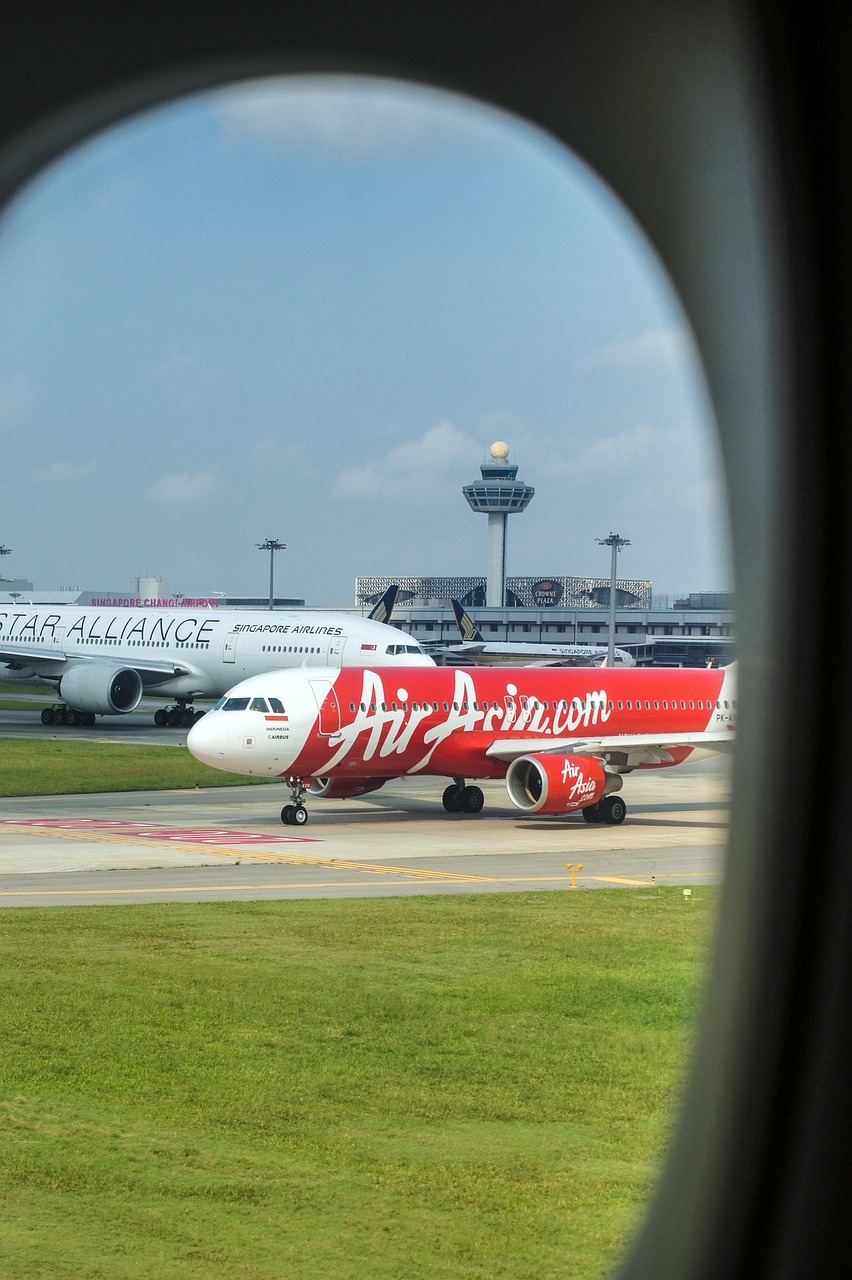 Changi Airport Singapore
The moment we arrived at curbside check-in, I realized something: accessibility at airports is not just about ramps or elevators. It's a chain of experiences—parking, check-in, security, boarding, and baggage claim—that needs seamless coordination. One broken link, and the day can become a marathon of frustration.
Planning Ahead: The Key to a Smooth Journey
Booking Your Flight
Airlines vary widely in their accessible travel policies. When I booked our flight to Miami, I spent hours reviewing each carrier's accessibility page (Delta Air Lines Accessibility) and even called customer service to confirm wheelchair dimensions and aisle seat availability.
Why this matters: Some narrow-body aircraft have seats that are too close to aisles for manual transfers, while others require pre-boarding arrangements. My experience: requesting aisle chairs and notifying staff 72 hours in advance saved us multiple headaches at boarding.
Tip: Keep a written record of your requests. Airlines sometimes "forget" special accommodations unless documented.
Airport Arrival & Parking
Curbside drop-off can be a lifesaver, especially if the weather is extreme. Many airports, including Atlanta, designate accessible drop-off zones near terminal entrances. If you're self-driving, accessible parking is usually located near elevators or shuttle pick-up points.
Real example: At Atlanta, we parked at the international terminal garage—a 30-meter distance from the elevator bank. The ramps were wide enough for two chairs to pass comfortably, and tactile floor markings helped my sister navigate safely.
Advice: Note distances in meters from parking to terminal entrance, and consider a foldable umbrella or sunshade for longer walks.
Check-In & Counter Navigation
Airport counters are notoriously high, and many standard check-in kiosks are not wheelchair-friendly. I recommend:
- Requesting dedicated ADA counters or airline staff assistance.
- Pre-printing boarding passes if possible, or using mobile check-in.
- Using a portable document holder for ID, medical paperwork, and boarding pass to avoid juggling items while in a wheelchair.
Personal story: At Atlanta, I encountered a kiosk blocked by a pillar. Switching to a staff-assisted counter with an adjustable-height desk saved us ten minutes and prevented unnecessary strain.
Security Screening
Security is often the most anxiety-inducing part for wheelchair users. From the moment we approached TSA PreCheck, I realized it's both a logistical and emotional challenge.
- Wheelchair disassembly: Airlines and TSA require that battery-powered chairs be inspected. I brought my Quickie Q7 power chair and a spare battery cable. The TSA agent was professional, but explaining the battery specifications took five minutes—worth it for a smooth boarding process.
- Screening protocols: TSA now offers manual pat-downs for mobility device users; I suggest requesting one in advance. My sister always carries a TSA medical exemption letter to clarify procedures.
- Adaptive equipment: Transfer boards, harnesses, or specialized wheelchairs must be removed and screened separately. Plan for extra time.
Lesson learned: Allocate 30–45 extra minutes at security. Rushing increases stress and can lead to mishandling of gear.
Terminal Navigation
Once through security, airports turn into mazes. Atlanta's Terminal F is over 2 km end-to-end, and signage alone is not enough.
Tips for smooth terminal navigation:
- Know your gate in advance: Many airports offer mobile apps with real-time gate and accessibility information.
- Request wheelchair escorts: Airlines provide staff to escort travelers across long terminals; these are lifesavers, especially for connecting flights.
- Check elevator and ramp locations: Even with an accessible map, a broken elevator can turn a short trip into a 10-minute detour.
Anecdote: In Atlanta, an elevator near our gate was temporarily out of service. Without staff escort, we would have had to backtrack 200 meters—a frustrating detour—but the airline's staff handled it gracefully.
Boarding Strategies
Boarding can be stressful. Airlines generally allow pre-boarding for passengers with disabilities, but execution varies.
- Boarding bridge width: Some older jetways barely fit wide power chairs. Atlanta's newer gates accommodate a 0.9–1.0 m width, sufficient for most chairs.
- Seat selection: Bulkhead aisle seats provide extra room for transfers. I always select the same seat for both legs if possible.
- Portable travel cushions and seat harnesses can make transfers safer and more comfortable.
Traveler tip: Notify the flight crew about your boarding needs and any mobility gear you bring. A clear, concise briefing prevents awkward delays or misplaced chairs.
In-Flight Considerations
- Aisle chairs: Airlines often provide narrow aisle wheelchairs to transport passengers to the restroom. My sister always checks dimensions and practices the transfer in advance.
- Restroom accessibility: On narrow-body aircraft, accessible lavatories exist on some models (e.g., Airbus A321). On regional jets, plan to use the lavatory before boarding.
- Carry-on packing: A small backpack with medical items, snacks, and documents is easier than rolling multiple bags.
Baggage Handling & Claim
Airport accessibility doesn't stop when you land. Many airports now have curbside assistance for luggage and ADA-compliant baggage carousels.
Case study: At Miami International, our power chair was delivered intact to the baggage claim via airline staff assistance. They also provided a ramp to bypass crowded escalator areas.
Tip: Confirm baggage delivery options when booking. Airlines differ in how they handle power chairs and mobility aids.
Adaptive Gear & Wheelchair Travel Accessories
Traveling with mobility aids requires careful gear selection:
- Manual travel wheelchair: Lightweight, foldable for gates.
- Power chair or scooter: For destination mobility.
- Portable transfer board: For moving between wheelchair and airline seat.
- Protective wheelchair bag: To prevent scratches during handling.
Lesson learned: Investing in quality gear saves stress and potential equipment damage.
Real Traveler Experiences
"I didn't realize the ramp was only 0.8 meters wide until I got to Atlanta. Airline staff helped, but I'll call ahead next time to confirm dimensions." — L., wheelchair traveler
"I scheduled my flight for early morning to avoid crowded TSA lines. It made a huge difference in stress levels." — M., frequent flyer
Airport-Specific Highlights
Hartsfield-Jackson Atlanta International Airport
- Multiple ADA-compliant elevators
- Curbside drop-off and accessible parking within 30 meters
- TSA PreCheck lanes and staff-assisted escort services
Miami International Airport
- Ramp and elevator access throughout terminals
- Baggage handling staff trained for mobility gear
- Wheelchair rentals and accessible lounges (MIA.com Accessibility)
John F. Kennedy International Airport, New York
- Extensive wheelchair assistance and pre-boarding
- Accessible restrooms at all concourses
- Staff-trained to handle power chairs
Common Challenges & How to Overcome Them
- Equipment misplacement: Always label chairs and components clearly.
- Broken elevators or inaccessible corridors: Confirm route and staff assistance.
- Tight boarding areas: Request pre-boarding and bulkhead seating.
- Unexpected flight changes: Keep airline emergency contact info handy.
Packing & Pre-Flight Checklist
- Mobility gear (manual and powered chairs, transfer boards, spare batteries)
- Travel documents and medical exemptions
- Snacks and hydration
- Protective bags for equipment
- Copies of accessibility confirmations
Reflection & Encouragement
Airport travel with mobility needs is a complex, often unpredictable dance. But preparation, patience, and advocacy turn what could be a stressful ordeal into a manageable—and even empowering—experience. From curbside check-in to the final baggage claim, every step matters.
I've witnessed frustration and triumph: my sister laughing as she navigated a busy gate, the relief of seeing a familiar ramp, or the joy of arriving at a sunny Florida beach after a seamless flight. These moments remind me why documenting and sharing airport accessibility experiences is essential.
About Harper Shore
Harper Shore is a travel journalist, accessibility advocate, and lifelong explorer. Over five years, Harper has tested airports, airlines, and mobility gear across North America and Europe. Her mission: empower travelers with mobility needs to navigate airports confidently, safely, and with minimal stress.