A Check-In to Remember
I still laugh when I think about the first time I rolled into a hotel that claimed to be "ADA-compliant." It was Las Vegas, summer 2018, and the air conditioner in my room was mounted so high I couldn't reach it from my wheelchair. The bathroom grab bars were installed at an awkward angle, and the shower seat looked more decorative than functional. I realized immediately that "ADA-compliant" on paper doesn't always translate to functional accessibility in real life.
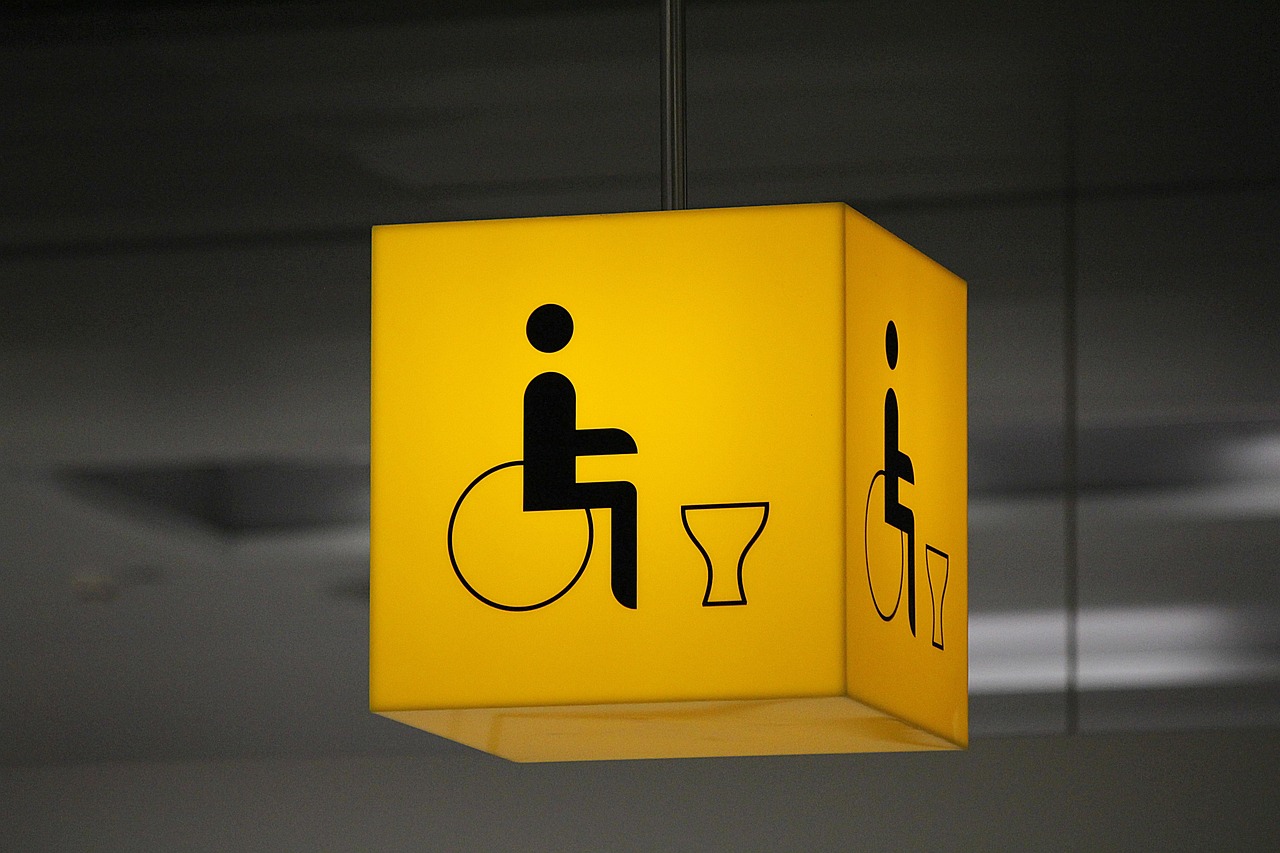 Wheelchair Accessories
Over the years, traveling through New York, Los Angeles, Amsterdam, and Tokyo, I've learned that finding a genuinely usable ADA-compliant hotel room requires more than checking a box. It requires research, preparation, and sometimes a touch of improvisation—and a few laughs along the way.
Understanding ADA Compliance
The Americans with Disabilities Act (ADA) is more than a legal requirement—it's a standard that ensures travelers with mobility needs can access spaces safely and independently. Hotels must provide:
- Accessible guest rooms
- Roll-in showers with appropriate grab bars
- Adequate space for wheelchair maneuvering (generally a 60-inch turning radius)
- Accessible routes from the entrance to the lobby, dining areas, and amenities
But here's the catch: compliance on paper doesn't always mean the room works for your specific wheelchair, height, or transfer method. Measurements, positioning, and equipment quality matter immensely.
Case in point: I once stayed in a New Orleans hotel where the bathroom door was technically 36 inches wide (standard ADA width), but the layout left only 28 inches between the sink and the wall—a tight squeeze for my Permobil F5 chair. The room was compliant, yet frustratingly unusable without assistance.
Rolling Through Reservations
Pre-Booking Research
Booking ADA-compliant rooms requires more than trusting an online filter. Here's my method:
- Ask for photos and exact measurements. Don't just rely on stock images. Ask for the width of doorways, the height of counters, the length and slope of grab bars, and the shower threshold.
- Confirm bed height and maneuvering space. Standard ADA bed height is roughly 20 inches from the floor, but I prefer a range of 21–23 inches to match my transfer boards.
- Check shower and toilet specifics. A roll-in shower should have a seat that supports your weight, a handheld showerhead, and grab bars positioned at 33–36 inches above the floor. The toilet should have at least a 17–19 inch seat height, and ideally a transfer clearance of 36 inches from the wall.
Personal story: In Miami, I booked a hotel using an accessible room filter, only to find the shower seat was plastic, wobbly, and low. A quick call to management brought a sturdy folding seat overnight—sometimes persistence and polite advocacy pay off more than the initial booking.
Travel Tools & Tech
Digital tools make the process smoother:
- ADA.gov Room Standards – official source for measurements and legal requirements.
- Wheelmap.org – check if other travelers reported practical accessibility issues.
- Hotel apps or direct contact – screenshots and email confirmations ensure staff follow through.
On-Site Experiences: What Really Matters
Lobby & Common Areas
It's not just the room. Routes from the entrance to elevators, pools, and dining areas are critical.
Example: In a Chicago hotel, the entrance ramp was steep, requiring staff assistance even with my power chair. The hotel quickly installed a gentler slope after my feedback—proof that advocacy can lead to real change.
Room Layout & Features
Even ADA-compliant rooms vary greatly:
- Door swings: Doors that swing inward can block the bathroom, making transfers tricky.
- Furniture placement: Beds, desks, and dressers must allow for a 5-foot turning radius.
- Accessible closets and controls: Light switches, thermostats, and closet rods should be within reach from a seated position.
Story: I stayed in a Los Angeles hotel where all controls were smart-enabled via app—perfect for a power wheelchair user. I could adjust lights, temperature, and even request housekeeping without leaving the bed. Technology can make accessibility seamless, but it's still rare.
Bathrooms & Showers
Bathrooms are where the most frustrations—or wins—happen.
Key considerations:
- Shower threshold: Roll-in showers should be flush with the floor. Even a 1-inch threshold can be a barrier.
- Grab bars: Horizontal bars on walls and vertical ones near the toilet provide essential support.
- Seating: Folding or built-in shower seats make transfers safer.
Travel anecdote: In Seattle, the ADA-compliant bathroom had bars, but the shower spray angle was misaligned, soaking me and the floor. A quick staff adjustment saved the day, and the humor of a splashing wheelchair traveler kept the mood light.
Wheelchair Travel Accessories in Hotels
Even the best ADA rooms can be improved with a few personal accessories:
- Transfer boards – crucial for beds and showers.
- Portable grab bars – handy when hotel bars are too short or misaligned.
- Seat cushions and posture supports – prevent pressure sores during long stays.
Mini case study: In New York, I carried a lightweight folding ramp for a hotel with slightly elevated entrances. It saved both time and frustration during a busy weekend.
Common Pitfalls
- "Accessible" without verification – Always confirm measurements, not just photos.
- Seasonality and staff availability – Some hotels rely on seasonal staff for accessibility assistance. Check in advance.
- Partial accessibility – A room may be accessible, but common areas like pools or restaurants may not. Always ask.
Traveler Quotes
"The hotel website said ADA-compliant, but the shower was tiny. The manager loaned me a portable seat—game-changer." — S., Miami
"I booked via email, sent measurements, and got exact photos. Arriving with confidence made the trip joyful, not stressful." — R., Chicago
Reflection: Advocacy Meets Comfort
Booking an ADA-compliant hotel is about preparation, advocacy, and attention to detail. It's about traveling with dignity and independence. Technology helps, staff cooperation matters, and a bit of persistence goes a long way.
I've learned to pack my own small kit—transfer boards, cushions, portable grab bars—and rely on digital tools to verify hotel promises. Every successful stay is a small victory against the inconsistent reality of accessibility.
About Harper Shore
Harper Shore is an accessible travel journalist and advocate, navigating cities, hotels, and cultural destinations with a wheelchair, curiosity, and a wide-brim hat. She blends hands-on experience with expert insights to help travelers with mobility needs move through the world confidently and independently. Harper has explored North America, Europe, and Asia, testing hotel accessibility, mobility gear, and travel infrastructure for over a decade.