Rolling Through Atlanta: My First Lesson in Documentation
It was a humid morning at Hartsfield-Jackson Atlanta International Airport in June 2024. I had just landed from a red-eye flight from Chicago, my power wheelchair humming softly beside me. As I wheeled toward the airline desk, my sister—also traveling with a mobility device—unfurled our carefully compiled accessibility packet. It included airline confirmations, medical documentation, wheelchair specs, and hotel accessibility sheets.
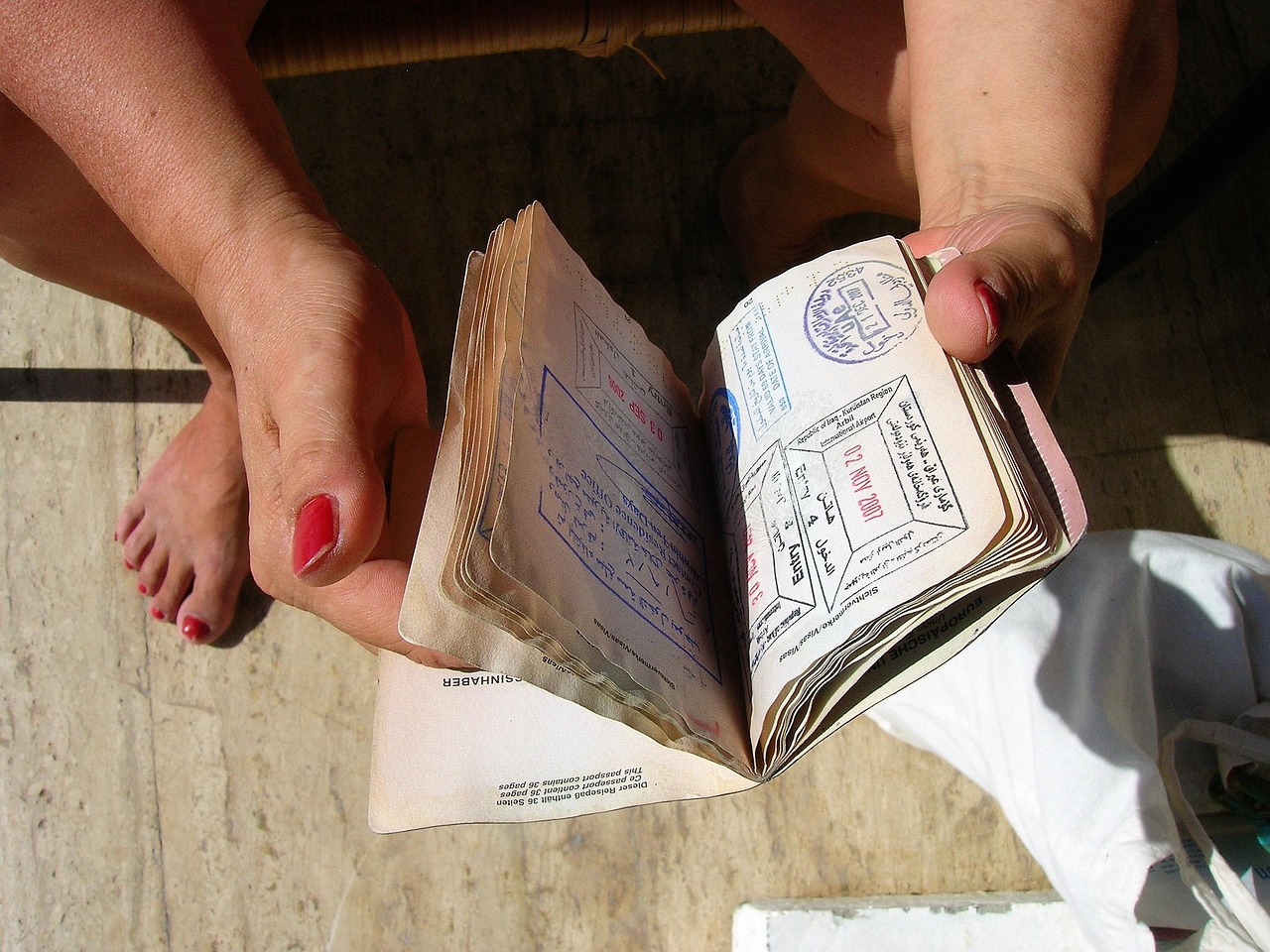 Travel Documents
I remember thinking, "Do I really need all of this?" Then, two hours later, as we navigated gate changes, equipment swaps, and a last-minute wheelchair upgrade, I realized that documentation isn't bureaucracy—it's freedom. Without that paper trail, the trip could have turned into a logistical nightmare.
Accessible travel documentation isn't glamorous, but it's the backbone of any successful journey for travelers with disabilities.
Why Documentation Matters
Traveling with mobility needs or medical considerations adds layers of complexity:
- Airline compliance: Airlines require detailed information for boarding, seating, and equipment transport (FAA — Traveling with Disabilities).
- Hotel confirmations: Ensuring bathrooms, roll-in showers, ramps, and lift access match your needs.
- Customs and border control: Some countries require proof for medical equipment or medications.
- Emergency preparedness: Having contact info, medical history, and equipment manuals can save hours in crises.
In short, documentation is insurance for independence. A wheelchair or oxygen concentrator isn't just a device—it's an experience lifeline.
The Essential Accessibility Packet
I've developed a "travel packet" that I take on every trip, printed and digital. Here's what I include—and why:
- Medical and mobility documentation
- Doctor's notes listing diagnoses, medication, and equipment specifications.
- Wheelchair manuals with dimensions, weight, and battery information.
- Tip: Include photos of the chair folded and deployed—airline staff appreciate visual cues.
- Airline communications
- Confirmation emails for seat selection, mobility assistance, boarding priority.
- FAA guidelines on wheelchair transport and battery types (FAA Mobility Device Guide).
- Hotel accessibility verification
- Floor plans, shower measurements, doorway widths, elevator specs.
- Photos provided by hotel staff or taken from previous travelers.
- Transport details
- Rental car specifications: hand controls, wheelchair lifts.
- Public transport accessibility information: bus ramps, train lifts, tactile pathways.
- Emergency contacts and backup plans
- Local medical facilities, mobility shops, embassy contacts.
- Nearby caregivers or friends who can assist in case of equipment failure.
Personal Anecdote — "The Airport Gate Swap"
In Miami, I had booked a flight on Delta Airlines with aisle-access seating. Upon arrival at the gate, a mechanical issue with the aircraft required switching planes. Normally, that would be stressful—but my accessibility packet saved the day:
- Staff quickly matched my chair specifications to the new plane.
- Pre-documented seating requests allowed immediate boarding.
- A note from my physician on battery safety ensured no delays for my power chair.
Lesson learned: documentation transforms uncertainty into control.
Case Study: Hotels That Understand Documentation
During a 2023 trip to Barcelona, we booked three hotels across the city:
- Luxury chain hotel near La Rambla
- Provided floor plans and elevator dimensions ahead of arrival.
- Pre-arrival confirmation of pool lift and shower grab bars.
- Boutique hotel in Gothic Quarter
- Small doorway, no roll-in shower.
- Pre-arrival photos allowed us to re-route our booking to a fully accessible unit.
- Apartment rental in Eixample
- Owner sent precise doorway and bathroom measurements.
- Photos of ramps and adjustable beds prevented any surprises.
Takeaway: not all "accessible" listings are created equal. Requesting documentation avoids frustration, wasted time, and safety risks.
Airlines and Medical Equipment
Transporting medical or mobility equipment internationally requires both documentation and foresight:
- Wheelchairs: Airlines often require specifications, weight, and battery type.
- Oxygen tanks: Proof of medical necessity, cylinder certification, and airline pre-approval.
- CPAP machines or other devices: Provide prescription notes, power requirements, and adapters.
Tip: carry a letter from your physician, ideally on official letterhead, describing why each device is required. Keep originals and digital copies accessible via cloud storage.
Practical Tips for Digital Documentation
- Use secure cloud storage (OneDrive, Google Drive) for digital backups.
- Organize files by category: airline, hotel, medical, transport.
- Name files descriptively: "Delta_Battery_Approval_Chair.pdf" or "Hilton_Bathroom_FloorPlan.jpg".
- Bring a tablet or phone with PDF readers—often faster than printing every page.
Real experience: At Brisbane Airport, a digital copy on my tablet allowed quick verification for a sudden wheelchair upgrade, saving 30 minutes of waiting.
Case Study: Travel to Remote Areas
When visiting Fraser Island, documentation became even more critical:
- The local ferry required proof of wheelchair size and weight for boarding.
- Hotels had to confirm roll-in shower dimensions because the ferry transport couldn't accommodate modifications.
- Without this documentation, we could have faced denial of boarding or last-minute cancellations.
Lesson: remote or rural destinations often have stricter adherence to dimensions and equipment specs than urban areas.
Customs, International Travel, and Medical Declarations
Border crossings often ask for medical devices and medications:
- Medication: Carry prescriptions in original packaging; include generic names for international clarity.
- Wheelchairs: Include serial numbers and manufacturer details.
- Oxygen or specialized equipment: Declaration forms may be required.
Example: Flying to Japan in 2022, customs officers requested the battery approval letter for my power wheelchair. Having it preprinted, translated, and laminated made entry seamless.
Traveler Stories: Small Wins and Frustrations
"I never thought a small diagram of the hotel bathroom would save me from a misadventure—but it did!" — A., Sydney
"Airport staff couldn't locate my manual chair replacement, but my documentation included photos and dimensions. Problem solved in 10 minutes." — L., New York
Humor aside, these small details make or break accessibility experiences.
Building a "Travel Documentation Routine"
- Two months prior:
- Request hotel floor plans, elevator dimensions, shower specs.
- Confirm airline seating, boarding assistance, and wheelchair transport.
- One month prior:
- Compile medical letters and prescriptions.
- Gather mobility equipment manuals.
- One week prior:
- Digitize documents, upload to cloud, and test access on mobile device.
- Send reminders to airlines and hotels with updates.
- Day of travel:
- Pack printed copies in carry-on.
- Bring digital versions on tablet/phone.
- Keep a "ready-to-show" folder for airport, hotel, and border staff.
Overcoming Documentation Anxiety
Many travelers feel overwhelmed by forms, letters, and emails. Here's a mindset shift:
- Documentation is freedom insurance.
- Think of it as storytelling for your mobility needs: each file explains why you need access, what equipment you have, and how staff can assist.
- Humor helps: keep a light-hearted note in the folder, e.g., "Yes, I really do need this ramp—it's for my mobility, not a scooter stunt show."
Reflection: Independence Through Paper
Over years of travel, I've realized: good documentation equals independence. It reduces delays, stress, and dependency on strangers' interpretation of your needs. With a well-prepared packet, travelers can:
- Navigate airports efficiently.
- Access accommodations confidently.
- Travel internationally with minimal friction.
- Enjoy experiences without constant worry about logistics.
For wheelchair travelers and those with other mobility considerations, the documentation packet is as essential as the wheelchair itself.
About Harper Shore
Harper Shore has spent over a decade traveling internationally with wheelchair travel accessories and adaptive gear. Her guides provide firsthand, practical advice for accessible travel, blending storytelling with actionable tips. She has tested destinations across Australia, Europe, and North America, documenting real-world challenges, solutions, and lessons learned.