Join wheelchair traveler Harper Shore on an immersive journey across Asia, discovering the nuances of accessible urban travel, practical tips, and real-life experiences in Tokyo, Singapore, Bangkok, and beyond.
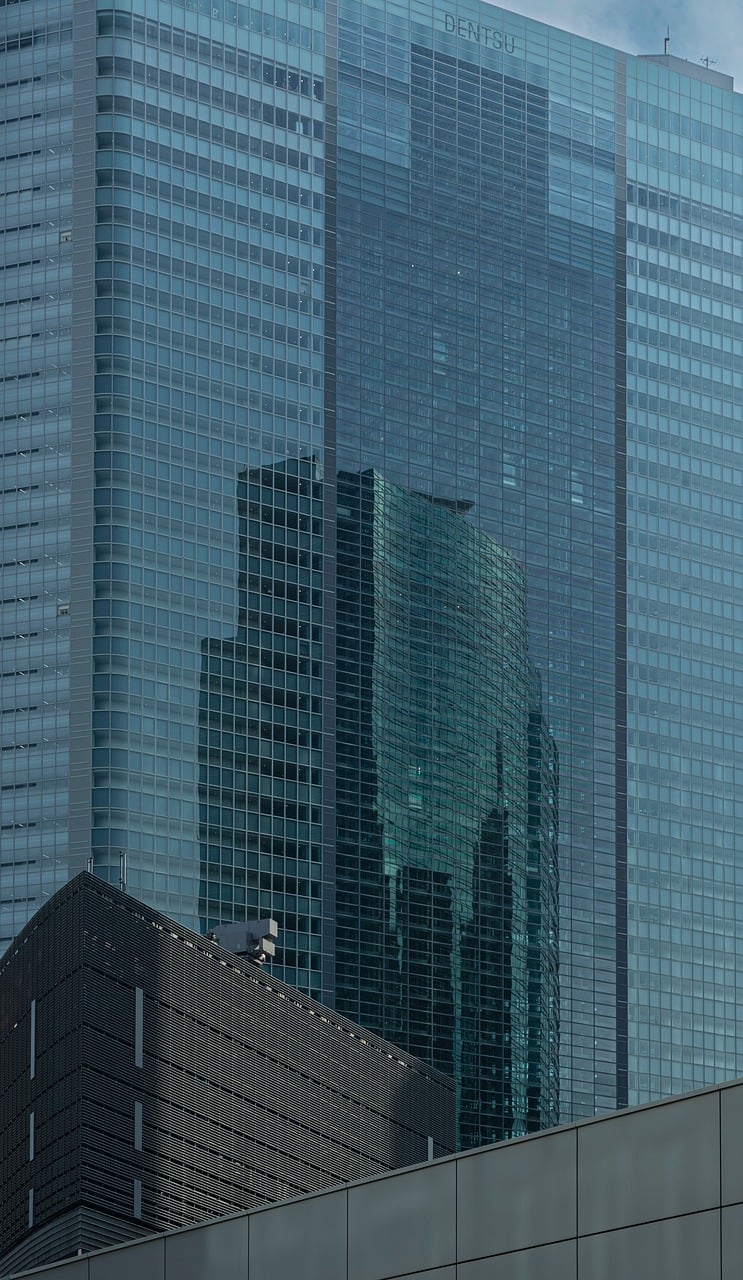 Tokyo
TokyoI rolled out of Narita Airport in Tokyo on an August morning. The day promised adventure and tested patience. My carry-on held essentials: a repair kit for the wheelchair, a travel cushion, gloves, and a folding ramp. I checked everything twice before leaving the terminal. Japan was my first stop for a month-long exploration of Asian cities. The true challenge lay ahead — navigating streets, subways, and cultural landmarks with mobility equipment.
Over the years, I have wheeled through Singapore, Bangkok, Seoul, and Taipei. Some cities offer excellent accessibility; others force creative solutions, sometimes making me laugh. Accessible travel is not about perfection but preparation, creativity, and understanding the city from a wheelchair's perspective.
The Asian Accessibility Landscape: Understanding Context
Asia is vast, and accessibility varies greatly between countries and cities. Singapore and Tokyo invest in accessible design. Bangkok shows a mixed picture: sidewalks often interrupted by steps or uneven tiles.
Laws, Policies, and Practical Realities
- Japan: The Barrier-Free Law mandates accessibility in train stations, museums, and government buildings with elevators, tactile paving, and accessible restrooms.
- Singapore: The Code on Accessibility in the Built Environment ensures wheelchair-friendly transport, civic spaces, MRT stations, and priority seating.
- Thailand: Laws exist but are poorly enforced. Pavements may suddenly rise, and temple steps remain challenging despite regulations.
Observation: Laws provide a baseline, but real-world experience reveals gaps. Bangkok's BTS Skytrain is accessible, yet street-level navigation requires agility and sometimes a folding ramp. The kindness of strangers can also make a difference.
Resource: UNESCAP Accessibility in Asia
Airports: First Impressions Matter
Tokyo Narita Airport
- Wheelchair assistance: Light aisle chairs available for transfers.
- Elevators: Wide, clearly marked, consistently available.
- Restrooms: Spacious with grab bars and automatic faucets.
Tip: Call ahead 48–72 hours before travel to request wheelchair services from airlines such as ANA, Japan Airlines, and Singapore Airlines.
Bangkok Suvarnabhumi Airport
- Wheelchair assistance is available, but staff rotation may cause delays.
- Terminal design varies: some corridors are smooth, others have curbs. Folding ramps are invaluable.
Resource: Airport Accessibility Information - Japan & Thailand
Public Transport: Navigating Urban Networks
Tokyo Metro
- Elevators at every station, tactile paving, priority seating.
- Train cars have wheelchair spaces; staff assist with boarding ramps.
Challenge: Peak hours can be crowded; traveling in off-peak times is advisable.
Case Study: When an elevator in Shibuya was closed, staff guided me to an alternative entrance and set up a ramp for safe boarding.
Singapore MRT
- Wide platform gaps, priority boarding zones, accessible restrooms.
- Tip: Keep a waterproof cover; Singapore rain can be sudden and heavy.
Bangkok BTS and MRT
- Elevators serve some stations; tactile paving is inconsistent.
- Street-level navigation can be difficult due to potholes and broken tiles; folding ramps and gloves help.
Hotels: Comfort and Function
Tokyo Example
- Shinjuku hotel: Roll-in showers, wheelchair-friendly doorways, reachable bedside controls.
- Confirm door widths (≥32 inches) and bed heights (20–23 inches).
Bangkok Boutique Hotel
- Step-in showers and cluttered furniture can hinder accessibility.
- Portable shower chairs and threshold ramps greatly improve usability.
Streets, Sidewalks, and Cultural Sites
Singapore Streets
- Wide, level sidewalks with curb cuts at intersections.
- Accessible parks and museums; busy tourist areas require patience.
Temple Hopping in Bangkok
- Many temples have stairs; portable ramps and off-peak visits help.
- Manage sensory input with headphones, gloves, and hydration.
Essential Mobility Gear for Asian Cities
- Compact folding wheelchair
- Inflatable or foam cushions
- Portable ramp
- Gloves and grip pads
- Portable repair kit
Dining, Markets, and Local Experiences
- Restaurants: Check step entrances and request seating near doors.
- Markets: Use gloves and sanitizer to navigate night markets.
- Cultural experiences: Staff assistance or ramps often available; research ahead is key.
Challenges and Solutions
Unexpected Infrastructure
Folding ramps and gloves help overcome cobblestones, curbs, and narrow sidewalks.
Sensory Overload
Noise-canceling headphones, sunglasses, and short breaks help manage crowded environments.
Language Barriers
Basic phrases and friendly gestures bridge communication gaps.
Reflections on Traveling Asia with Mobility Needs
Traveling as a wheelchair user builds resilience, patience, and creativity. Small victories, like boarding a train, navigating a temple, or enjoying a street-level café, become milestones.
- Invest in gear: Small, lightweight, and practical equipment is essential.
- Plan ahead: Coordinate airports, trains, and hotels for smooth travel.
- Advocate politely: Clear communication ensures staff assistance.
- Embrace the unexpected: Laughter and problem-solving turn mishaps into stories.
About the Author
Harper Shore has over ten years of experience traveling across Asia in a wheelchair. Harper combines reporting with life experience, providing tips and insights for accessible urban exploration. Her work appears in travel magazines, blogs, and guides worldwide.